You’ve probably seen ads or bank posters highlighting CD rates that seem too good to ignore. But when you compare offers across banks or credit unions, the numbers rarely match up. Why does one bank offer 5.10% while another caps at 4.65%? These differences aren't random. CD rates—short for certificate of deposit interest rates—are shaped by a handful of moving parts behind the scenes. Whether you’re parking your money for a few months or a few years, understanding what controls these rates can help you make smarter savings decisions and avoid settling for less.
The Federal Reserve's Interest Rate Policy
The most influential factor affecting CD rates is the federal funds rate, which is set by the U.S. Federal Reserve. While the Fed doesn't directly set CD rates, banks and credit unions often adjust their savings products in response to the Fed's moves.
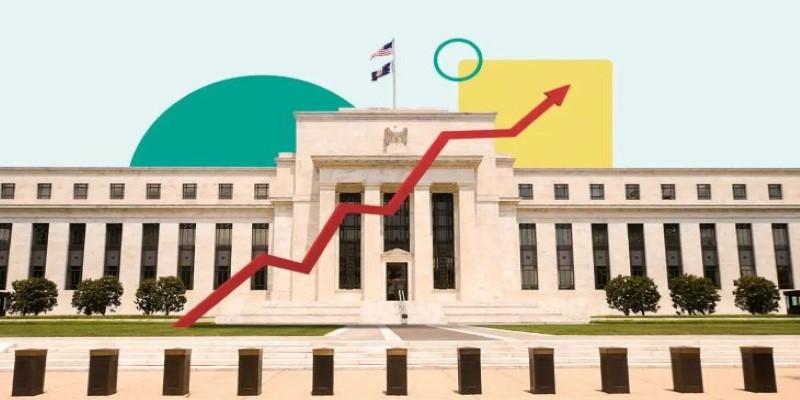
When the Fed raises its benchmark rate, borrowing becomes more expensive for banks. To bring in new deposits and maintain liquidity, they often increase the rates they offer on products like CDs. This makes them more attractive to savers. The reverse is true when the Fed lowers rates—CD yields often drop as banks need less incentive to attract deposits.
For example, if the Fed is trying to cool inflation and hikes rates multiple times in a year, banks usually follow suit. They boost their CD rates to stay competitive in attracting funds, especially from customers looking for low-risk ways to preserve capital and earn a fixed return.
The key thing to watch is the trend. If the Fed has signaled that it expects to raise or lower rates in the near future, CD rates will often adjust ahead of time in anticipation. This makes timing an important consideration if you're thinking about locking in a certificate of deposit.
Bank-Specific Liquidity Needs
While national economic trends guide overall rate directions, individual banks and credit unions have their motivations. A bank's need for cash—especially deposits—can push it to offer higher or lower CD rates depending on its current situation.
Let’s say a bank wants to expand its lending activity or meet certain reserve requirements. To do that, it might need to quickly bring in more deposits. Offering a higher CD rate is one way to do it. On the other hand, a bank flush with customer deposits and low demand for loans may not have a strong reason to offer competitive rates.
Online banks often offer higher CD rates because they don’t have the overhead costs associated with physical branches. This allows them to pass on savings to customers in the form of better rates. Some banks also use promotional CD rates as a marketing tool—offering limited-time deals to draw in new customers.
So, while the Fed sets the tone, a bank’s internal strategy, market competition, and liquidity needs help shape the actual rates you’ll see advertised.
CD Term Length
The length of time you agree to leave your money in a CD—known as the term—plays a big role in determining the rate you get. Generally, longer terms come with higher interest rates. This is because the bank gets to hold your money longer, giving it more time to use it for loans and other investments.

For example, a 12-month certificate of deposit might offer 4.50%, while a 5-year CD could go as high as 5.25%, depending on market conditions. The trade-off is liquidity. In exchange for a better return, you agree not to access your funds until the term ends. Withdrawing early often comes with a penalty that can eat into or even eliminate your earnings.
But there are periods when the yield curve flattens or even inverts. This means shorter-term CDs might offer rates equal to or better than longer-term ones. These scenarios often occur during uncertain economic periods, when banks expect the Fed to lower rates in the near future. In such cases, locking into a longer-term CD might not make sense.
Choosing the right term length isn’t just about getting the highest number—it’s about matching your financial timeline with what the bank is offering. Flexibility and your future cash needs should play a role in your decision.
Inflation Expectations
Inflation might seem like a background concern, but it’s central to how CD rates are determined. When inflation rises, the real return on a CD (after accounting for rising prices) shrinks. To remain attractive, banks often raise CD rates in response to rising inflation expectations.
Think of it this way: If inflation is running at 3% and a bank offers a 3.50% CD rate, your real return is just 0.50%. But if inflation is expected to cool, banks might lower their rates because savers aren’t demanding as much compensation to protect their purchasing power.
Inflation expectations also tie back to the Federal Reserve’s decisions. The Fed uses interest rate hikes to manage inflation. So, when inflation is predicted to rise, people often expect higher Fed rates, and that usually leads to higher CD rates. It’s a chain reaction: inflation expectations → Fed policy → bank rates.
If you’re evaluating whether to lock in a certificate of deposit now or wait, keep an eye on inflation data like the Consumer Price Index (CPI). These numbers give hints about where interest rates—and by extension, CD rates—might be headed.
Conclusion
CD rates don’t appear out of thin air. They reflect a mix of national policy, local banking needs, product terms, and the broader economy. The federal funds rate sets the baseline. Then, each bank makes its own decision based on how much cash it needs and what kind of savers it wants to attract. The term you choose and the economy’s inflation outlook help fine-tune what you’ll be offered. If you’re shopping for a certificate of deposit, knowing these four factors gives you more control. It helps you see past the rate itself and understand what’s driving it. That way, you’re not just picking a number—you’re making a decision that fits your goals, timeline, and expectations.