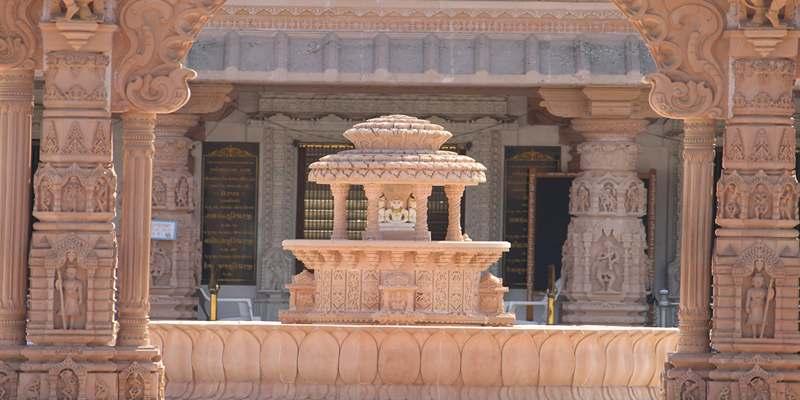
India is a nation abundant in religious heritage and spiritual diversity. The temples that are scattered all over the land are one of its greatest treasures, representing the grandest features of art, devotion, and tradition. Such religious places are not merely places of worship, but also they are the monuments that point to the historical continuity and architectural magnificence of India. To the tourist who desires to get a more spiritual feel of the country, a visit to such temples is a wonderful mix ofculture and self-scrutiny. Each geographical area, whether the Himalayas crowned in snow or lowlands and coastways in the south, protects unique sacred places. This guide will point out that there exist five spectacular temples in India that capture beauty, devotion, and history.
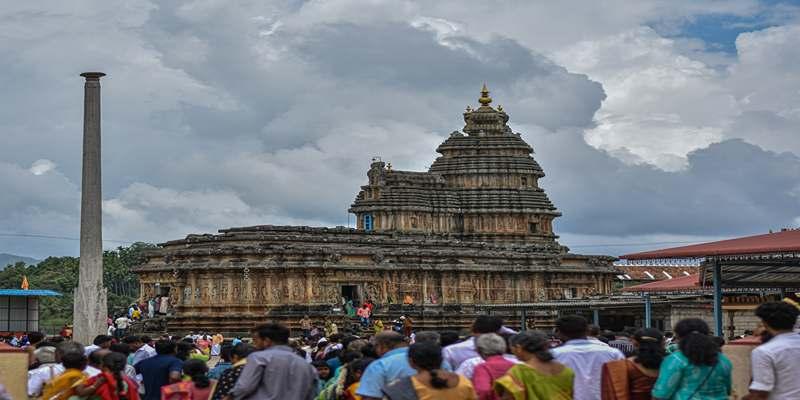
Sacred Temples of Northern India
Kedarnath Temple – A Himalayan Jewel
It is one of the holiest shrines of Lord Shiva within the Kedarnath Temple, set up in the Garhwal Himalayas of Uttarakhand. It is reachable either on a long and steep hike or via helicopter, and its isolated location makes it even more spiritually appealing. The stark simplicity, with the snow-covered mountains around it and constructed with huge slabs of stone, is the beauty of the temple. It is not only visited by pilgrims but also by all those who want to enjoy its peaceful environment. Being among the places of Char Dham pilgrimage, it is of vitally important purpose in Hindu religion and attracts both the religious seekers and nature lovers willing to establish communication with the divine among the natural magnificence.
Golden Temple – The Heart of Amritsar
The most holy spiritual place in Sikhism is the Golden Temple, or the Harmandir Sahib, as it is called. The temple sits in the lively city of Amritsar, in Punjab; it is strongly polychromatic in terms of architecture and spiritual harmony. The temple is surrounded by a reflective holy pool and covered in gold to invite visitors of any faith. The repetitive reading of Guru Granth Sahib leaves it very meditative. The shared meal, the langar, is what makes the experience complete, where thousands of people are served food every day in the community. Golden Temple is a symbol of equality, humility, and peace in India, thus making the temple a must-visit.
Kashi Vishwanath Temple – Soul of Varanasi
It is one of the holiest temples of Lord Shiva. This ancient shrine is located on the banks of the holy river Ganges, and it possesses immense spiritual power. The history of the temple is more than several centuries, and it is rebuilt several times. The belief by the devotees is that by making a pilgrimage to Kashi and bathing in the Ganges, one clears sin and goes to moksha (liberation). Rituals, chants, and lit-up lamps make the surrounding ghats alive as the sun sets and the sun rises and exude a mystical feeling around its surroundings. Kashi Vishwanath is not only a spiritual experience, but it is also a cultural expedition that has the spiritual core of India.
Southern India’s Rich Temple Traditions
Meenakshi Temple – The Pride of Madurai
A grand and historic temple located in southern India stands as a remarkable example of traditional architecture. It is known for its impressive towers that rise high above the complex, covered in detailed carvings and vibrant artwork. The temple holds deep cultural and spiritual significance, attracting many visitors for its beauty, history, and atmosphere. Its design reflects a rich architectural heritage, with towering structures and elaborate decorations that showcase the skill and creativity of past artisans. This sacred place continues to be an important landmark, drawing attention for its artistic grandeur and spiritual ambiance that have been preserved over generations.
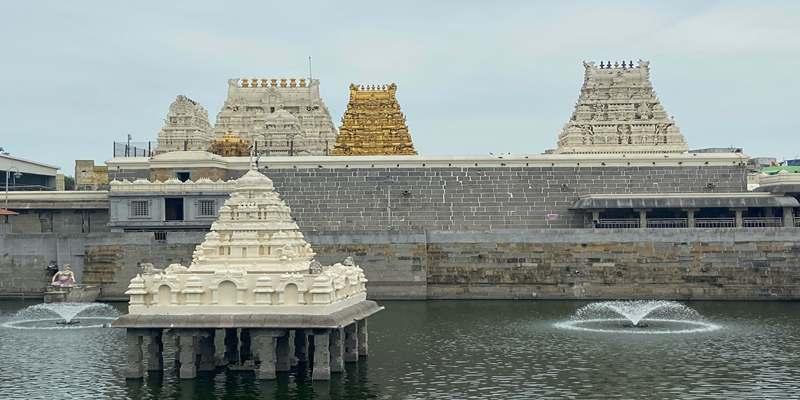
Brihadeeswarar Temple – Chola Dynasty Marvel
An ancient temple in southern India stands as a remarkable symbol of historical and architectural brilliance. Built many centuries ago, it represents the skill and vision of a powerful dynasty from the past. The temple features a towering central structure, massive in scale and built with impressive craftsmanship. Decorative carvings, detailed artwork, and stone inscriptions throughout the site highlight a rich cultural legacy. The structure serves both as a spiritual center and a lasting reminder of a flourishing era of art and architecture. Revered for its scale and beauty, this monument continues to inspire admiration for the ingenuity and devotion that shaped its creation.
Ranganathaswamy Temple – Spiritual Hub of Srirangam
This temple is an important pilgrimage site for Vaishnavites. Spread across 156 acres, it comprises 21 gopurams and several shrines. The temple is known for its beautifully carved pillars, religious festivals, and traditional rituals that continue uninterrupted for centuries. A visit to this temple provides not only spiritual enrichment but also insight into the region’s deep-rooted religious practices and architectural finesse that have been preserved for generations.
Temples of the East and West
Sun Temple – Konark’s Timeless Wonder
A historic temple located in eastern India is widely admired for its unique design and cultural importance. Constructed many centuries ago, the structure reflects deep symbolic meaning and artistic creativity. Shaped with remarkable attention to detail, it features elaborate carvings that portray scenes from daily life, nature, and traditional stories. Though time has taken a toll on parts of the monument, it still stands as a powerful example of heritage and craftsmanship. People visit this site to appreciate its spiritual atmosphere and the beauty of its detailed artwork. The temple continues to be a source of inspiration and a lasting reminder of a rich and imaginative past.
Dilwara Temples – Jain Craftsmanship in Marble
Set in a serene hill region of western India, a group of ancient temples is celebrated for its stunning stone craftsmanship and peaceful atmosphere. Created over several centuries, these structures reflect a deep sense of devotion and artistic mastery. The interiors feature delicate carvings, with patterns and figures that convey a rich spiritual tradition. Built from fine materials and shaped with great skill, the temples are admired for both their elegance and serenity. Though visually impressive, the overall environment promotes quiet reflection and inner calm. These sacred spaces continue to draw visitors seeking beauty, tranquility, and a connection to a timeless heritage.
Conclusion
Exploring the temples of India is more than a journey through stone and sculpture. It is a path to understanding the nation's spiritual heartbeat and cultural soul. From the high-altitude Kedarnath to the intricately carved Dilwara Temples, each sacred site shares its own unique story and significance. These temples not only welcome worshippers but also invite travelers to witness centuries of devotion and architectural brilliance. Whether you are spiritually inclined or a cultural explorer, India’s temples offer enriching experiences that transcend time and geography, making them truly unforgettable destinations on your travel itinerary.