The great culture of India is manifested in its festivals, which are enjoyed over seasons, different communities, and even centuries. The country has some dynamic traditions and festive experiences that attract travelers across the globe. Whether it is the color bombardment during the festival of Holi or the glimpses of light during the festival of lights Diwali, all these things help us understand the religious and cultural diversity of India. With or without specific cultural or spiritual explorations, going through the list of festivals in India is a good way of broadening the knowledge of this very big country. Indian festivals are events that one will not forget easily by using music, food, rituals, and dance. This itinerary presents the most memorable Holi Diwali tour and the other cultural festivals that India boasts.
Iconic Festivals Every Traveler Should Experience
Holi – Festival of Colors and Unity
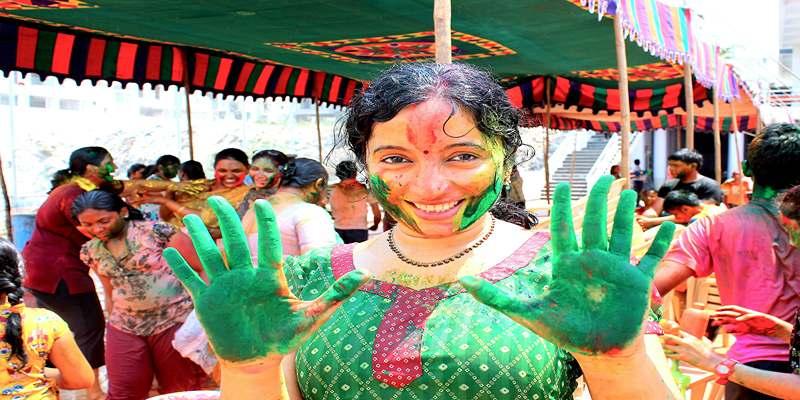
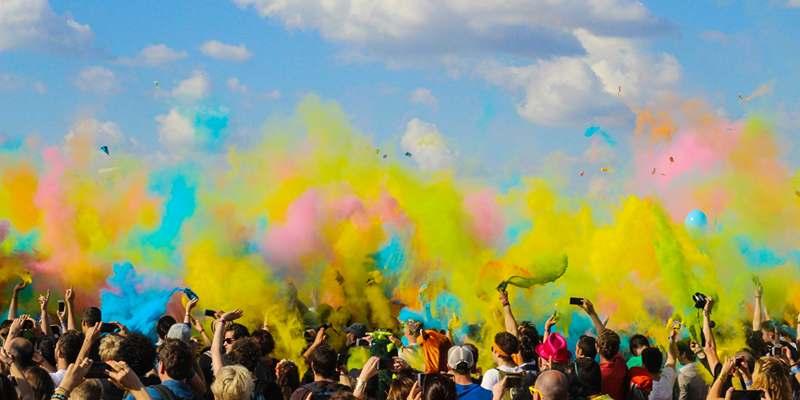
Holi is a festival to announce the advent of spring and the triumph of the good over the evil. It is also referred to as the festival of colors, and it comprises playful color throwing, music, and traditional sweets. Mathura and Vrindavan are some of the cities that are very memorable to international visitors. Playing Holi is not all fun, but seeing that unity in diversity is a way of life. This is the most popular fest of India in the list of the India festivals because of its happy spirit. Holi will be a part of your Holi Diwali travel plan in case you have planned to visit India in March. Wear old clothes and get ready for a unique, colorful experience of cultural immersion you will never forget.
Diwali – Festival of Lights and Family Traditions
Deepavali (Diwali) is one of the favorite cultural festivals in India. It is a five-day festival that is a symbol of the struggle of light against darkness and knowledge against ignorance. People adorn houses with oil lamps, do rangoli art, and make sweets. Big cities such as Jaipur and Varanasi are glowing regions of celebration. Diwali is an ideal trip when a traveler is interested in community life and traditions. It is also a chance to witness the spirituality and art of India coming alive.
Dussehra and Navratri – Celebrating Good Over Evil
Dussehra and Navratri (9 nights) are the basis of festivals in India. The festivals are used to commemorate the victory of good against evil, with the regions having their own way of celebrating. Navratri is celebrated in Gujarat with Garba and Dandiya dance parties each night, and also Durga Puja in West Bengal, where there is a celebration of the victory of the goddess. The tenth day is celebrated as Dussehra; it is a day marked with theater dramas known as Ram Lila and effigies of demons burnt. The pilgrims as well as tourists flock to these festivals. In the event that you intend to visit India during the months of September and October, Dussehra and Navratri should offer you experiential and vibrant overall cultures other than mere sightseeing.
Seasonal Celebrations Across India’s Regions
Pongal and Onam – South India’s Harvest Joy
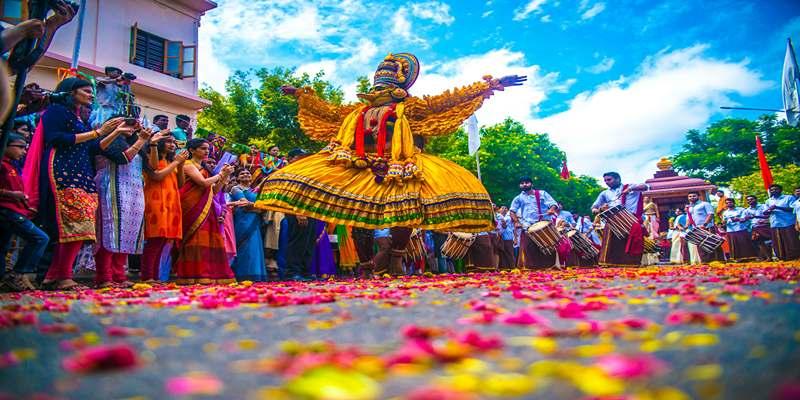
In South India, Pongal (Tamil Nadu) and Onam (Kerala) are vital harvest festivals rooted in gratitude and agricultural heritage. Pongal involves cooking a sweet rice dish in open courtyards, while Onam features elaborate feasts and flower decorations. Travelers interested in rural traditions will enjoy the local hospitality and rituals associated with these festivals. Onam’s snake boat races and folk dances are major crowd-pullers. These festivals showcase regional charm and are ideal additions to any India itinerary travel. Visit in January for Pongal or August for Onam to witness joyous community gatherings and centuries-old harvest celebrations.
Bihu and Hornbill Festival – Northeast’s Vibrant Culture
The Northeast offers a different flavor of Indian festivity through events like Bihu in Assam and the Hornbill Festival in Nagaland. Bihu marks the Assamese New Year and features music, dance, and feasts. Meanwhile, the Hornbill Festival brings together Nagaland’s tribes for a cultural showcase of costumes, crafts, and war dances. These India travel experiences reveal a rich tapestry of indigenous traditions often missed in mainstream itineraries. For those seeking offbeat destinations, the Northeast’s festivals are ideal. Plan to visit in April for Bihu or December for Hornbill to enjoy unique cultural events set amid stunning natural landscapes.
Ganesh Chaturthi – Maharashtra’s Devotion in Motion
Ganesh Chaturthi honors the elephant-headed deity Ganesha, celebrated widely in Maharashtra, especially Mumbai. Gigantic idols are created and worshipped at home and in public spaces for up to 11 days. The immersion processions on the final day are grand spectacles of music and devotion. This festival combines spiritual rituals with artistic creativity. It’s an essential part of the India festivals list for anyone visiting the western part of the country. Attending Ganesh Chaturthi offers insight into both the religious fervor and community spirit of Indian society. Travel in late August or early September to witness these awe-inspiring celebrations.
Unique and Lesser-Known Cultural Events
Pushkar Camel Fair – Rajasthan’s Rural Spectacle
Held annually in November, the Pushkar Camel Fair is a fascinating blend of livestock trading and cultural performance. Set in the desert town of Pushkar, Rajasthan, the event includes camel races, folk music, and art displays. This fair offers travelers an authentic rural India experience. While not a traditional religious festival, it’s a vibrant gathering that reflects the spirit of Rajasthan’s culture. Include this in your India itinerary travel for a break from mainstream attractions. From hot air balloon rides to local food stalls, Pushkar Fair is a visual feast that highlights traditional India beyond its cities.
Hemis Festival – Ladakh’s Monastic Celebration
Hemis Festival is held in the remote Himalayan region of Ladakh at the Hemis Monastery. It honors Guru Padmasambhava, a spiritual figure in Tibetan Buddhism. The two-day festival features masked dances, rituals, and music performed by monks in colorful robes. This celebration is among the most spiritual and visually stunning cultural events India offers. Hemis Festival is ideal for travelers interested in Buddhism or Himalayan culture. Held in June or July, it coincides with Ladakh’s summer season. A trip to Hemis provides both serenity and festivity, making it a perfect contrast to the bustling energy of India’s major cities.
Ratha Yatra – Jagannath’s Sacred Journey
Ratha Yatra is an annual chariot procession held in Puri, Odisha, drawing millions of pilgrims. Massive chariots carry deities Jagannath, Balabhadra, and Subhadra through the streets in a grand public ritual. Tourists are welcome to join the crowds and observe this powerful spiritual experience. The energy, devotion, and scale of the procession are unmatched. For travelers compiling a unique India festivals list, Ratha Yatra is essential. It occurs in June or July and offers both spectacle and spiritual insight. The festival highlights the deeply devotional side of India and its inclusive atmosphere that welcomes all backgrounds.
Conclusion
India’s festivals are as diverse as the country itself, offering windows into ancient traditions, community values, and regional pride. From the colorful vibrance of Holi and Diwali to the serene beauty of Hemis and the rustic charm of Pushkar, these events enrich every traveler’s journey. Whether you're crafting a 7 day India trip or planning an extended cultural tour, understanding the timing and significance of major festivals enhances the experience. As you explore this land of many faiths and faces, each celebration becomes a story to remember and a moment to cherish for life.