The Alpina Mediterranean Cycle Route offers one of Europe’s most scenic long-distance bike experiences. Designed to link coastal towns, rural landscapes, and serene natural areas, this new cycling route is ideal for travelers who prefer two wheels over four.
While the route is built for accessibility and enjoyment, planning makes all the difference when it comes to comfort, safety, and maximizing the experience. From timing and gear to navigation and daily logistics, this guide provides a complete guide on how to plan a successful bike trip on the Alpina Mediterranean Cycle Route.
Route’s Structure and Landscape
The Alpina Mediterranean Cycle Route stretches through diverse environments—from sea-level coastal lanes to elevated inland paths. It’s not a flat ride throughout, but the elevation changes are manageable for moderately fit cyclists. The route combines smooth roads, paved lanes, rural byways, and a few gravel segments, making it ideal for touring bikes or gravel bikes equipped with durable tires.
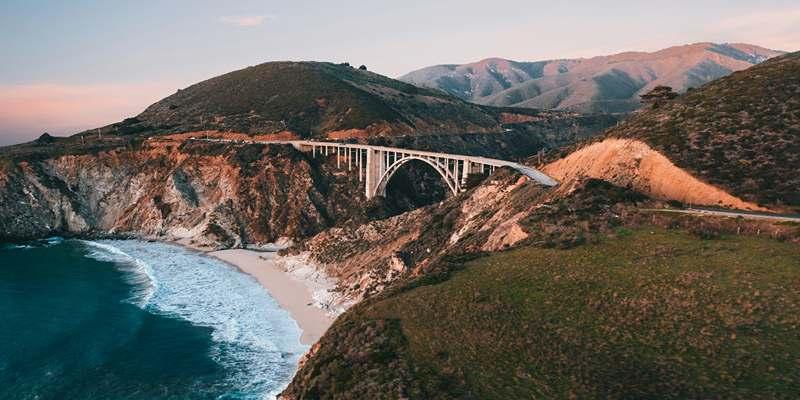
Certain segments wind close to the shoreline, offering steady ocean views and fresh breezes. Others veer slightly inland through agricultural landscapes or forested hills. This variation makes it important to study the topography and terrain before departure.
Choosing the Best Time to Ride
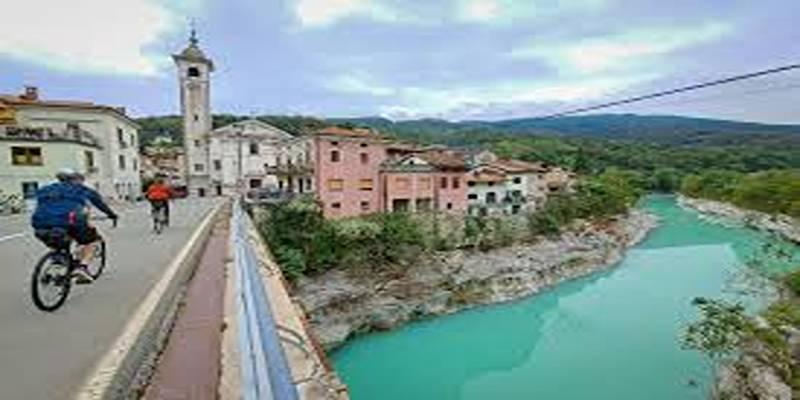
Seasonal planning is a key part of a good bike trip. The Mediterranean climate is generally mild, but certain times of year offer more comfortable conditions than others. Spring—from April to early June—is one of the best seasons to ride. During this time, temperatures are pleasant, flowers bloom along the path, and humidity is low.
Autumn—especially September and early October—is another excellent window. The weather remains warm but manageable, and many of the summer tourists have gone home, leaving towns and roads quieter. Summer can be intense, particularly in southern regions, so if traveling between June and August, it’s essential to start early in the day and plan shaded breaks.
Winter cycling is only suitable for the southernmost stretches, as cooler inland temperatures and wet conditions may reduce comfort and safety in the north.
Selecting the Right Type of Bicycle
The success of the trip depends heavily on the chosen bicycle. A touring bike or gravel bike with multi-surface tires is ideal. Riders can expect a mix of surfaces, so suspension forks are useful but not mandatory. More important is frame geometry suited for long rides and a saddle built for endurance.
Most cyclists carry gear using rear panniers, which balance well and allow for efficient weight distribution. Handlebar bags are useful for quick-access items like navigation tools, sunglasses, or snacks. For multi-day trips, a lightweight waterproof setup is advisable in case of changing weather conditions.
Cyclists should also equip their bikes with front and rear lights, as tunnels, shaded tree-lined roads, or early morning starts can require added visibility.
Planning Your Route in Sections
The entire Alpina Mediterranean Cycle Route can be broken into manageable daily segments depending on fitness level, interests, and available time. Some cyclists prefer 40 to 60 kilometers per day for a relaxed pace, while others may push up to 80 or more. Factors such as terrain, wind conditions, and rest locations should influence the route breakdown.
Using GPS-based cycling apps allows riders to map out elevation profiles and estimate energy requirements. Offline versions are especially useful in remote areas where mobile signals may be weak. Most riders find that segmenting the trip into 5- to 7-day blocks allows for a good balance of travel and rest.
Accommodation and Overnight Stops
One of the advantages of the route is its access to towns and small villages, making overnight planning flexible. Riders can choose from a range of accommodation types, including guesthouses, eco-lodges, family-run B&Bs, and campgrounds. Those aiming to reduce luggage can plan stays that include breakfast and washing facilities to reset for the next day.
It’s recommended to book accommodation one or two days ahead during spring and autumn. In summer, popular areas may require earlier reservations. Many cyclists enjoy mixing styles—perhaps camping two nights and then staying in a hotel to recharge.
Carrying a light sleeping mat or emergency bivvy sack adds flexibility in the event of an unexpected stop or delay.
Food and Water Availability
Food along the Alpina Mediterranean Cycle Route is generally easy to access. Most towns have grocery stores, bakeries, or small cafés where cyclists can pick up meals or snacks. For daytime riding, it’s smart to pack high-calorie snacks like energy drinks, trail mix, and fruit.
Hydration should be a priority. Cyclists should carry at least two water bottles and refill whenever possible. While fountains and public taps are available in many places, it’s best not to rely on finding them exactly when needed. Having a refillable filtration bottle can provide peace of mind in remote areas.
Breakfast should be filling, and lunch can be lighter to avoid sluggishness. Evening meals are best planned around the final destination of the day.
Navigation and Safety

Even though the Alpina Mediterranean Cycle Route is well-marked in many sections, relying solely on signage is risky. Maps, route files, and navigation apps offer backup. Pre-loading GPS tracks ensures guidance even when there’s no internet access.
Helmets are essential—not just for protection but as a basic safety standard across all regions. Cyclists should carry a basic repair kit including tire levers, spare tubes, a mini pump, and a multi-tool. Having reflective strips on bags and clothing adds visibility on shaded roads or during early dusk.
Notifying a contact of the day’s destination and estimated time of arrival is an added safety measure. Some riders also carry a small personal alarm or GPS tracking beacon for emergency use.
Conclusion
The Alpina Mediterranean Cycle Route offers a balanced mix of scenic riding, quiet villages, and rewarding terrain that suits both solo cyclists and small groups. With proper planning, the journey becomes more than just a ride—it becomes a fully immersive way to experience the Mediterranean region at ground level.
By selecting the right season, mapping out daily segments, preparing the right gear, and staying flexible along the way, cyclists can enjoy a seamless and memorable trip.