Choosing between a 10/1 or 10/6 adjustable-rate mortgage (ARM) and a 30-year fixed-rate mortgage comes down to how long you plan to stay in the home, your tolerance for uncertainty, and what kind of payment predictability matters to you. Both loans serve different types of homeowners.
While the 30-year fixed mortgage has long been a default option, many buyers are starting to reconsider ARMs like the 10/1 and 10/6—especially in markets where rates are fluctuating and housing prices are high. Understanding how these mortgages work can help you avoid regrets years down the road.
What Is a 10/1 or 10/6 ARM?
A 10/1 ARM is a loan with a fixed interest rate for the first 10 years, after which the rate adjusts every year. A 10/6 ARM is similar, except the adjustment happens every six months after the initial 10-year period. The appeal of ARMs lies in the lower initial interest rate, which can significantly reduce monthly payments for the first decade of the loan.
After that, though, the rate changes based on market conditions. It can go up or down, depending on what’s happening with benchmark indexes like the Secured Overnight Financing Rate (SOFR). The lender also adds a margin, which doesn’t change, and that’s what determines your new rate. The terms usually come with caps—limits on how much your rate can rise at each adjustment and over the life of the loan.
These caps are a safety net, but they don’t make the loan risk-free. If rates rise sharply after your fixed period ends, your payments can increase by hundreds of dollars a month. That’s why ARMs tend to suit buyers who don’t plan to stay in the home longer than the initial fixed period or who are confident they’ll refinance before adjustments kick in.
Understanding the 30-Year Fixed-Rate Mortgage
The 30-year fixed-rate mortgage is the most common loan for a reason. It offers consistency. You lock in an interest rate at the beginning, and that rate never changes, no matter what happens in the broader economy. That stability makes it easier to budget long-term and can bring peace of mind to homeowners who don't want any surprises.
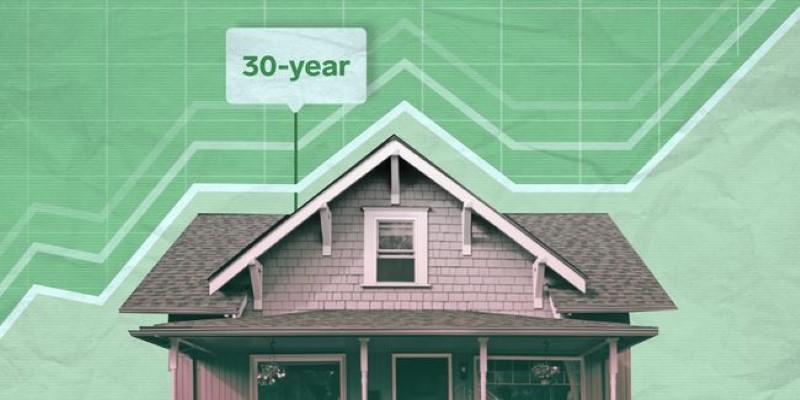
The trade-off is that the initial rate on a 30-year fixed loan is usually higher than the starting rate on a comparable ARM. So, while you're paying for stability, you may pay more in interest over time—especially in the early years when your balance is still large.
One important detail: even though it’s a 30-year loan, most people don’t keep it for the full term. People refinance, move, or sell within seven to ten years on average. That fact is what often nudges some buyers toward ARMs when interest rates are notably lower at the start.
Comparing Costs, Flexibility, and Risk
Cost is where ARMs and fixed-rate loans part ways most noticeably. At the start, a 10/1 or 10/6 ARM typically comes with a lower rate, which can save a buyer thousands in interest during the first decade. That’s money that could go toward renovations, savings, or simply lower monthly obligations. But this short-term gain can flip if rates jump after the fixed period ends.
For example, if you have a 10/1 ARM with a starting rate of 5.5%, and the market rate jumps to 7.5% after ten years, your payment will increase significantly. With a 30-year fixed mortgage, your 6.25% rate stays put for three decades, no matter what the market does.
Another factor is flexibility. ARMs can offer more wiggle room for buyers who expect to relocate, sell, or refinance before the adjustment period begins. Military families, young professionals, or people buying starter homes often fall into this group. A 10-year fixed period gives a buffer long enough to settle in, build equity, and exit before higher rates kick in.
On the other hand, if your life plan is more stable—perhaps you're buying your forever home or you simply don’t want to think about your mortgage again—the fixed-rate loan has the edge. You get consistency and predictability from start to finish.
The risk with ARMs is largely tied to the market. If rates remain stable or drop, you win. If they climb, you might feel financial pressure. While rate caps are in place to prevent extreme jumps all at once, even gradual increases can stretch a household budget if your income doesn’t rise alongside your mortgage payment.
Which One Fits Your Plan?
The real question is not which loan is better in general, but which one fits your life better. If you're buying a home you plan to stay in for more than 15 years and value consistency, the 30-year fixed-rate mortgage makes sense. It protects you from rate shocks and gives you one less thing to worry about.
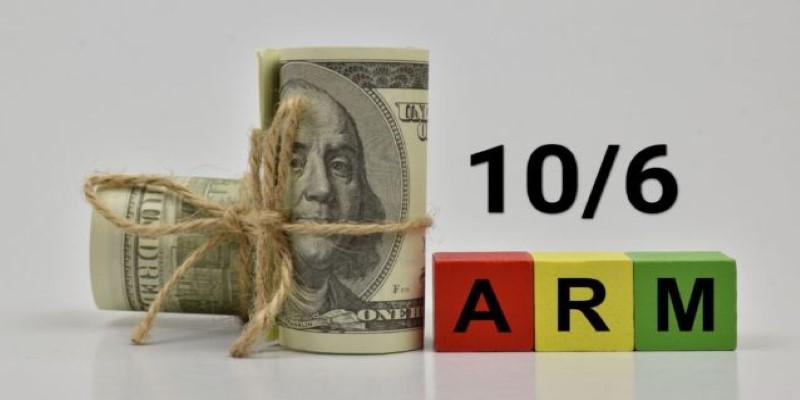
If you know your time in the home will be short—say, less than 10 years—a 10/1 or 10/6 ARM could be the more strategic option. It lowers your payment during your time in the home and helps you keep monthly costs down when they matter most.
It’s also worth considering how much financial cushion you have. If you can handle some variability in payments and have a long-term plan to refinance or pay off the loan early, you might find the ARM appealing. If your budget is tight and fixed payments bring peace of mind, a 30-year fixed rate offers the reliability you need.
A final point to weigh is where mortgage rates are heading. If rates are high now but expected to fall, an ARM gives you the chance to take advantage of future rate drops. But if rates are low and you lock in with a 30-year fixed mortgage, you're securing a solid deal for the long haul.
Conclusion
The 10/1 or 10/6 ARM and the 30-year fixed-rate mortgage each serve different needs. Fixed rates offer stability for long-term plans, while ARMs give lower initial payments, ideal for shorter stays. The right choice depends on how long you plan to stay, your comfort with risk, and your income expectations. Match the loan type to your lifestyle and goals rather than chasing the lowest rate or popular opinion.