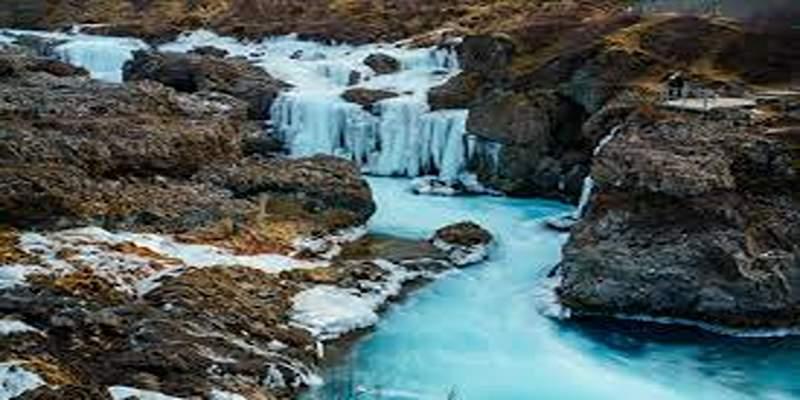
Iceland’s natural scenery is truly one of a kind. From its black sand beaches and towering waterfalls to frozen lagoons and active geothermal regions, the country delivers constant visual drama. Whether exploring the famous Ring Road or venturing into the more remote corners, travelers will find countless awe-inspiring places.
This guide highlights 12 destinations that showcase Iceland’s raw beauty and wide variety of landscapes. Each one captures a unique part of what makes the country so special, offering views, experiences, and photo opportunities that stay with visitors long after they leave.
1. Seljalandsfoss
Seljalandsfoss stands out as one of Iceland’s most photogenic waterfalls. Located along the South Coast, it drops from a tall cliff and creates a mist-filled pool below. What makes it unique is the trail that wraps behind the waterfall, allowing visitors to view it from a different angle. It’s easily accessible from the main road, making it a popular and rewarding stop.
2. Jökulsárlón Glacier Lagoon
Jökulsárlón is a glacial lagoon filled with drifting icebergs that have broken off from the Breiðamerkurjökull glacier. Situated in southeast Iceland, the lagoon connects to the sea, and seals are often spotted swimming among the ice. Its vivid blues, changing shapes, and reflections of surrounding mountains create a surreal and serene environment perfect for sightseeing and photography.
3. Diamond Beach
Directly across the road from Jökulsárlón is Diamond Beach, a striking black sand coastline scattered with ice chunks that have washed up from the glacier lagoon. These pieces of ice resemble diamonds as they glisten in the sun, making the beach appear like a natural art installation.
The contrast between the ice and black volcanic sand makes this location especially photogenic. Even without perfect lighting, the shapes and patterns created by the ice and waves make for an unforgettable visual experience.
4. Skógafoss
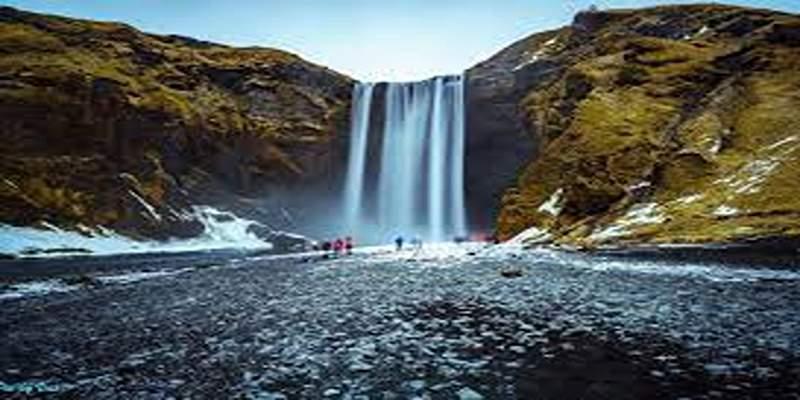
Skógafoss is a powerful waterfall located not far from Seljalandsfoss along the South Coast. It’s known for its thunderous drop and frequent rainbows, created by the fine mist that rises from the base. At 60 meters tall and 25 meters wide, it’s one of the most majestic waterfalls in Iceland.
Visitors can walk right up to the base or climb a long staircase that leads to a viewing platform above the falls. The view from the top reveals not only the river feeding the waterfall but also the surrounding landscapes stretching toward the coastline.
5. Reynisfjara Black Sand Beach
Located near the town of Vík, Reynisfjara is one of Iceland’s most dramatic coastal sites. Its black sands, formed from ancient volcanic activity, are framed by basalt columns and cliffs. Offshore, the Reynisdrangar sea stacks rise from the ocean, creating a mysterious and rugged backdrop. The waves here can be powerful and unpredictable, so it’s best to view them from a safe distance while still appreciating their stark beauty.
6. Vatnajökull National Park
Vatnajökull National Park encompasses Europe’s largest glacier and offers an incredible variety of landscapes. From glacial tongues and volcanic plains to towering peaks and icy rivers, the area presents nature in its rawest form. It’s ideal for those looking to hike, explore ice caves, or take in the dramatic terrain.
Several accessible areas around the park allow visitors to get up close to the glacier. Guided tours provide a safe way to explore the ice or climb onto the glacier for a more in-depth adventure.
7. Mývatn Geothermal Area
In the north of Iceland, the Mývatn region is a geothermal hotspot filled with bubbling mud pools, fumaroles, and otherworldly rock formations. The area is rich in natural contrasts, where vibrant mineral colors cover the ground and steam rises from beneath the Earth. Unlike the more trafficked geothermal areas in the south, Mývatn provides a quieter, more expansive setting to observe geothermal activity.
8. Dettifoss Waterfall
Dettifoss is widely considered one of Europe’s most powerful waterfalls. Located in the northeast, it releases an incredible volume of water into a deep canyon, generating a constant roar and mist that can be felt from a great distance. Visitors can approach it from either side of the canyon, each providing distinct views of the 45-meter drop. Its raw energy and untouched surroundings make it a truly humbling natural site.
9. Snæfellsnes Peninsula
Often referred to as “Iceland in Miniature,” the Snæfellsnes Peninsula encapsulates many of the island’s diverse landscapes in one compact area. From lava fields and glacier-capped volcanoes to pebble beaches and towering sea cliffs, it offers a diverse range of landscapes without requiring long drives. The iconic Kirkjufell mountain, with its distinctive shape and nearby waterfall, is a highlight that attracts nature photographers year-round.
10. Thingvellir National Park
As part of Iceland’s famed Golden Circle, Thingvellir National Park is known for its visible tectonic rift, where the Eurasian and North American plates are pulling apart. Walking paths wind through cracks in the Earth and along lakes and rivers, offering peaceful views of moss-covered rock and clear waters. The park’s geological features and well-maintained trails make it an ideal spot for relaxed exploration.
11. Kerið Crater Lake
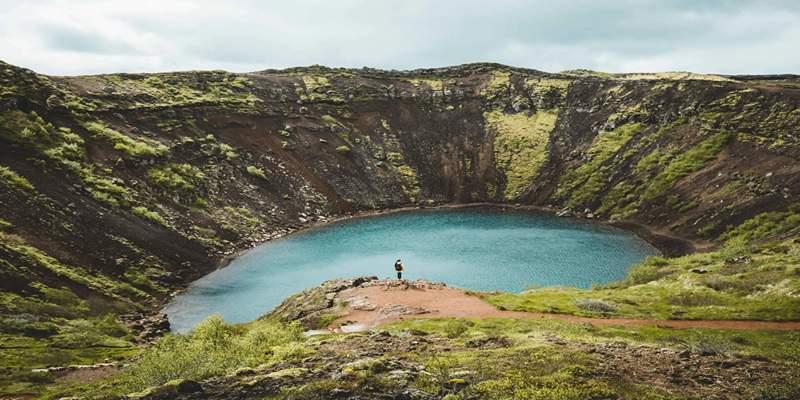
Kerið is a visually stunning volcanic crater that contains a shallow lake at its base. The slopes of the crater are rich in reds and oranges, contrasting beautifully with the blue-green water below. It’s a relatively small site, but incredibly colorful and easy to walk around.
The rim trail provides full views of the crater from multiple angles, and a stairway leads down to the lake’s edge. Kerið is located just off the Golden Circle, making it a convenient and rewarding detour.
12. Blue Lagoon
Near Keflavík International Airport, the Blue Lagoon is one of Iceland’s most recognized natural attractions. Its mineral-rich, milky-blue waters are surrounded by black lava rock, offering a peaceful, surreal setting. Though manmade in structure, it draws from natural geothermal resources and maintains a consistent temperature year-round.
The Blue Lagoon is often a first or final stop for travelers due to its proximity to the airport. It’s ideal for relaxing sore muscles after a long trip or as a calm introduction to Iceland’s geothermal energy.
Conclusion
Each of these 12 locations offers a distinct and unforgettable view into Iceland’s stunning geography. Whether standing before a roaring waterfall, walking along a volcanic shoreline, or gazing at glacial icebergs drifting through a quiet lagoon, visitors are continually reminded of the island’s raw and rare beauty.
For travelers planning a visit to Iceland, including these destinations in the itinerary guarantees an experience rich in natural wonders, outdoor adventure, and visual inspiration.