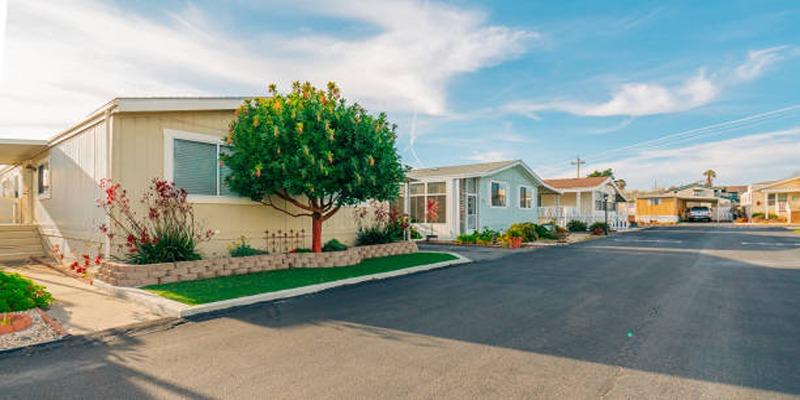
Manufactured homes follow a precise, efficient process, taking just 10-20 business days to build compared to the months required for traditional homes. Constructed in a controlled factory setting, they offer consistent quality, protection from weather delays, and predictable timelines. Ideal for first-time buyers or downsizers, this guide explains each construction phase, potential delays, and how manufactured homes compare to traditional builds, ensuring smooth planning for your housing project.
Pre-Production Planning Phase
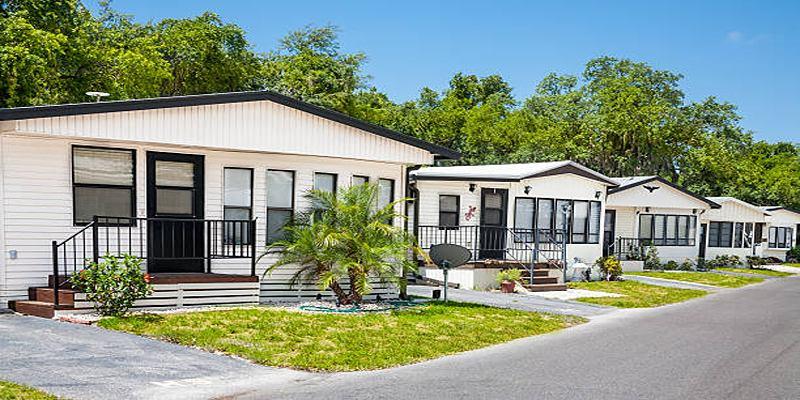
Before any actual construction begins, manufactured home builders invest significant time in the planning and design phase. This preliminary work typically takes 2-4 weeks and sets the foundation for efficient production.
Design and Engineering
The process starts with finalizing your home's specifications, including floor plan, exterior design, and interior finishes. Engineers review structural requirements and ensure the design meets HUD (U.S. Department of Housing and Urban Development) standards, which govern all manufactured homes in the United States.
Material Procurement
When designs are accepted, the production team entails placing orders of the required materials. All of this involves wood and insulation to appliances and fixtures. This is because when everything is prepared prior to production there should be no delays during construction.
Production Scheduling
Your home gets assigned a production slot based on the manufacturer's current workload and material availability. During peak seasons (typically spring and summer), scheduling may extend the overall timeline by several weeks.
Foundation and Frame Construction
The actual construction process begins with building the home's foundation and frame, which typically takes 2-3 days in the factory setting.
Chassis Assembly
Workers start by assembling the steel chassis that will support the entire structure. This foundation includes the trailer frame, wheels, and axles necessary for transportation to your site. The chassis gets treated with protective coatings to prevent rust and corrosion.
Floor System Installation
Next, builders install the floor system, including subflooring, insulation, and moisture barriers. This stage also involves running initial plumbing and electrical lines that will serve the home's lower level systems.
Wall Framing
Wall framing follows standard construction techniques but uses engineered lumber designed for the stresses of transportation. Interior walls are framed simultaneously with exterior walls to maximize efficiency.
Electrical, Plumbing, and HVAC Installation
Utility installation represents one of the most complex phases of manufactured home construction, typically requiring 3-4 days to complete properly.
Electrical Systems
Licensed electricians install all electrical components according to HUD standards, which are often more stringent than local building codes. This includes wiring for outlets, switches, lighting, and major appliances. All electrical work gets inspected multiple times during this phase.
Plumbing Installation
Plumbers install supply lines, drain systems, and fixtures throughout the home. Manufactured homes use specialized plumbing techniques designed to withstand the movement during transportation without developing leaks.
HVAC Systems
Heating, ventilation, and air conditioning systems are installed and tested. Many manufacturers use high-efficiency systems that are specifically designed for the tighter construction typical of manufactured homes.
Insulation and Drywall Phase
With utilities in place, construction moves to insulation and interior wall finishing, which takes approximately 2-3 days.
Insulation Installation
Workers install insulation in walls, floors, and ceilings. Manufactured homes often exceed traditional insulation standards, making them highly energy-efficient. Vapor barriers are carefully installed to prevent moisture issues.
Drywall and Interior Finishing
Drywall installation in manufactured homes follows slightly different techniques than site-built construction to account for transportation stresses. Joints receive special attention to prevent cracking during transport.
Interior Finishing and Cabinetry
The interior finishing phase typically requires 3-4 days and transforms the basic structure into a livable home.
Cabinet Installation
Kitchen and bathroom cabinets are installed using reinforced mounting systems. Many manufacturers use custom-sized cabinets designed specifically for their floor plans, maximizing storage space.
Flooring Installation
Flooring materials range from luxury vinyl plank to hardwood, depending on your selections. Installation techniques are adapted for manufactured homes to prevent squeaking and movement.
Interior Trim and Doors
All interior doors, trim work, and moldings are installed. Manufacturers often use slightly flexible materials and installation methods that accommodate minor settling without creating gaps.
Appliance Installation and Final Systems
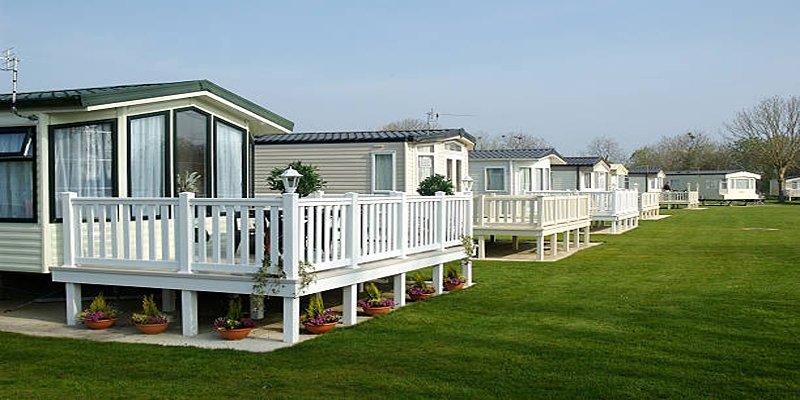
The final construction phase involves installing appliances and completing all systems, typically taking 1-2 days.
Major Appliances
Kitchen appliances, water heaters, and laundry connections are installed and tested. Many manufacturers offer appliance packages that are specifically sized and selected for optimal fit and efficiency.
Final Electrical and Plumbing Connections
All final connections are made and systems are tested thoroughly. This includes checking water pressure, electrical loads, and HVAC performance.
Quality Control and Inspection
Before leaving the factory, every manufactured home undergoes rigorous inspection processes that typically require 1-2 additional days.
Internal Quality Checks
Manufacturers conduct comprehensive inspections of all systems, finishes, and structural elements. Any issues identified during this phase are corrected before the home proceeds to final inspection.
HUD Inspection
A HUD-certified inspector examines the completed home to ensure compliance with federal standards. This inspection covers structural integrity, electrical and plumbing systems, fire safety, and energy efficiency.
Final Documentation
Upon passing inspection, the home receives its HUD certification label and data plate, which serve as permanent records of compliance with federal standards.
Factors That Can Extend Construction Time
Several factors might extend the typical 10-20 day construction timeline:
- Custom Features: Homes with extensive customization or premium finishes may require additional construction time. Complex floor plans or unique architectural features can add 3-5 days to the timeline.
- Material Shortages: Supply chain disruptions can delay production if specific materials become unavailable. Manufacturers typically maintain inventory buffers, but major shortages can impact schedules.
- Seasonal Demand: Peak building seasons may extend scheduling timelines, though actual construction time remains consistent.
- Weather Considerations: While factory construction protects against most weather delays, extreme conditions might affect material deliveries or transportation schedules.
Transportation and Site Preparation
Once construction completes, additional time is needed for transportation and site setup:
- Transportation: Moving the home from factory to your site typically takes 1-3 days, depending on distance and permit requirements.
- Site Preparation: Foundation preparation, utility connections, and home setup usually require 3-7 days, depending on site conditions and local requirements.
Final Thoughts
The manufactured home construction process is highly efficient, with homes ready in just 6-10 weeks under normal conditions. To stay on schedule, choose reputable manufacturers with strong production standards and clear communication. Research local dealers, visit facilities, and ask about timelines and quality control. Prepare your site in advance, and consider building during off-peak seasons for faster delivery.